Workspace Planning
Start with drawer loads, floor clearance, wall access, caster paths, and the hand tools that must stay visible. The planning conversation turns a crowded workbench into a storage layout that can be repeated.
Service Paths
Storage support is most useful when it removes friction before a cabinet, drawer, or portable box reaches the floor. Stack-On organizes service around the questions buyers ask again and again: which storage format fits the workspace, which model details should be recorded, how a warranty request should be prepared, and where a dealer conversation should begin. That steady path matters for homeowners, maintenance crews, and retail teams because tool storage is rarely a one-time purchase. A garage grows, a crew adds mobile kits, a small-parts drawer needs relabeling, and a warranty note may appear months after installation.
The service model below keeps those practical moments connected. It does not replace the final dealer or warranty decision, but it helps users bring useful information to the right desk the first time.
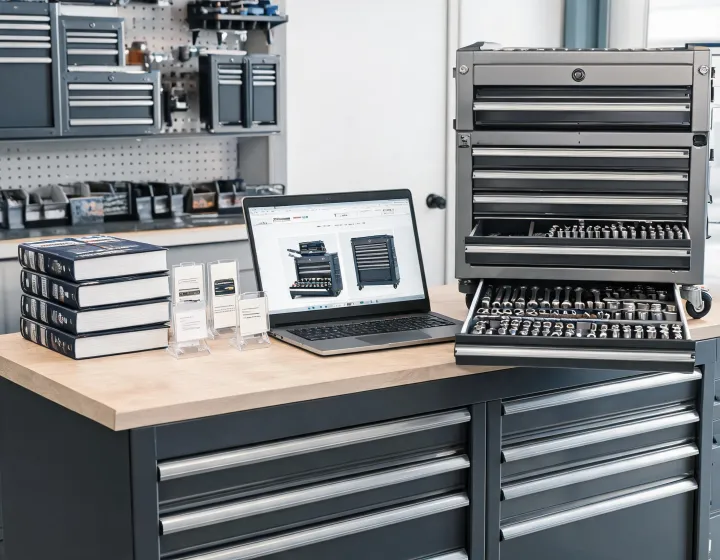
Service pillars
Each pillar is written for a different point in the storage cycle. Together they give teams a simple map from first layout questions to post-purchase records.
Start with drawer loads, floor clearance, wall access, caster paths, and the hand tools that must stay visible. The planning conversation turns a crowded workbench into a storage layout that can be repeated.
Model numbers, purchase channels, and photos of labels are easier to capture at the start. Stack-On resources remind buyers which details help warranty and service teams answer quickly.
Drawer slides, keys, casters, trays, and small organizers all need clear references. Service routing helps a user describe the exact storage family instead of sending a vague message.
Retail counters and distributors need enough context to suggest a practical alternative when stock, finish, capacity, or delivery timing changes. The inquiry path keeps that context organized.
Impact Stats
Stack-On uses measured, workspace-centered guidance rather than broad promises. The numbers below are planning anchors: how many places need labels, what details should be collected, and where support can reduce back-and-forth.

Start a Service Request
Include the product family, model label, purchase channel, and what you want to solve. That simple packet is enough to route many Stack-On questions toward the correct resource.