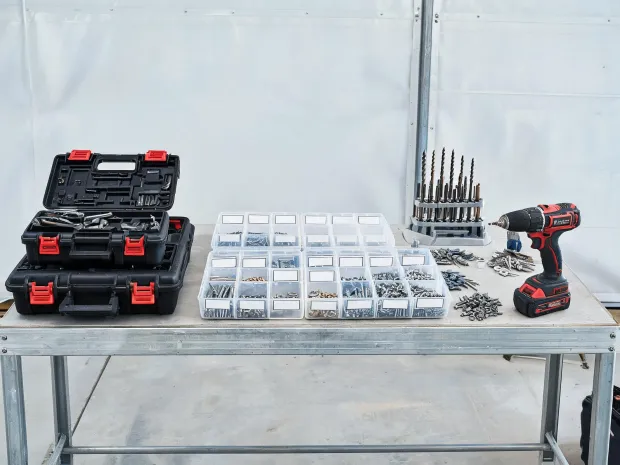
Construction Crews
Portable boxes and small-parts organizers help crews keep anchors, bits, drivers, and hand tools separated while moving between tasks.
Workspace Applications
Tool storage looks different in every workspace, but the problems repeat: small parts scatter, drawers become crowded, manuals vanish, and the person looking for a tool loses time. Stack-On organizes these applications around workspace behavior rather than broad market labels. A cabinet row in a facility, a portable kit for a jobsite crew, and a counter display in a hardware store all need clear product choices and support notes that can be understood quickly.
The application map below keeps the emphasis on storage discipline: what must be visible, what must travel, what must stay labeled, and what details should be ready when support is needed.
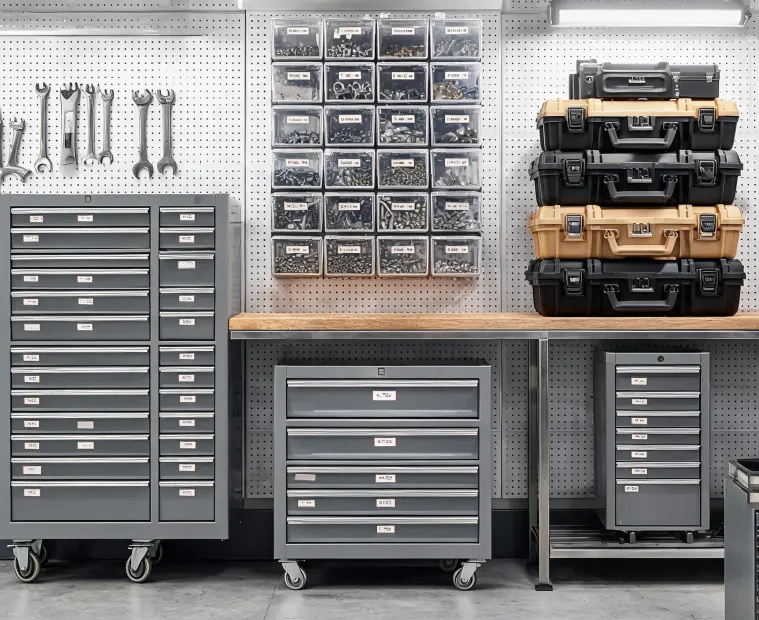
Application Cards
Portable boxes and small-parts organizers help crews keep anchors, bits, drivers, and hand tools separated while moving between tasks.
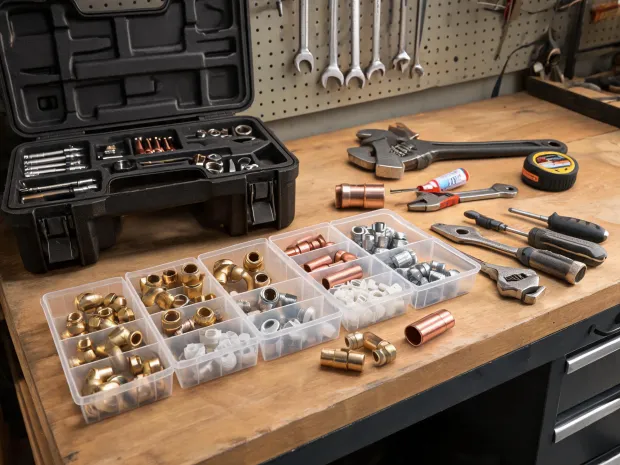
Installers need compact storage that keeps fittings, cutters, gauges, and everyday hand tools sorted before the next call.
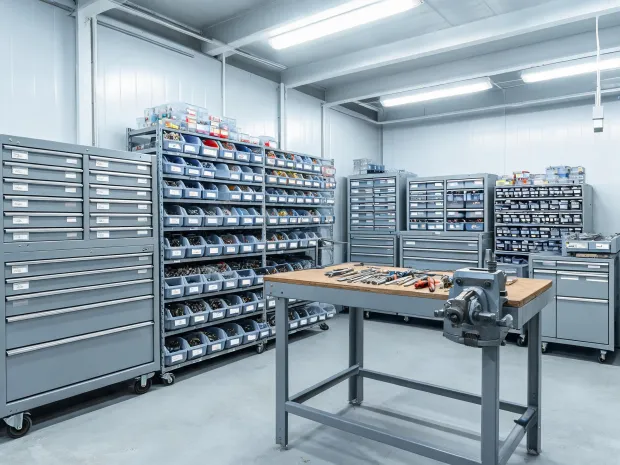
Maintenance teams use drawer discipline and cabinet rows to keep repair tools, spare hardware, and shift handoff notes findable.
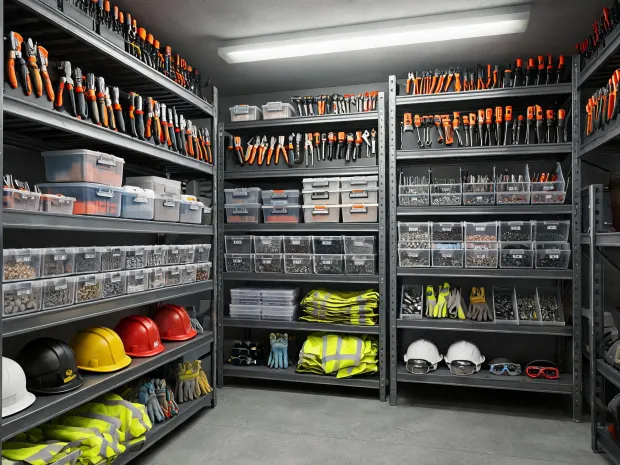
Distributed crews benefit from repeatable kits, labeled accessories, and storage records that survive handoffs across locations.
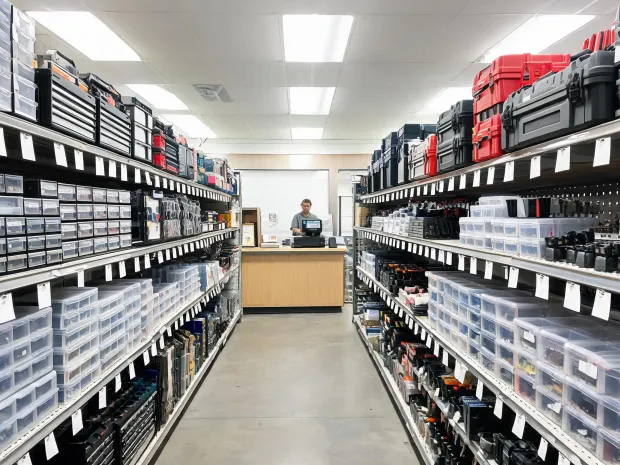
Clear product families help associates compare cabinets, organizers, and portable boxes without turning every question into a search.
Application Fit Matrix
A simple fit matrix makes product conversations more useful. The table does not pretend every workspace is identical; it shows which storage behaviors should be checked before a buyer chooses a cabinet, box, or organizer.
| Workspace Pattern | Useful Stack-On Format | Planning Detail | Support Note |
|---|---|---|---|
| Tools stay in one garage or shop | Rolling cabinet or wall cabinet | Measure drawer depth, caster path, and bench clearance. | Keep model and drawer count in the resource record. |
| Tools travel between work areas | Portable tool box or stackable kit | Check handle comfort, latch preference, and loaded weight. | Photograph the label before the kit leaves the shop. |
| Small parts change often | Organizer tray or compartment box | Separate screws, washers, bits, anchors, and spare keys. | Note compartment size when asking for replacements. |
| Dealer compares alternatives | Category family plus similar capacity models | List desired footprint, drawer count, and finish. | Share the intended use rather than only a SKU. |
Industry RFQ
When storage is specified for a crew, facility, counter, or garage, the best request begins with context. Include where the unit will sit, how often it moves, what kind of tools it holds, and whether a dealer needs to compare more than one product family.
That short description helps Stack-On support understand the job before responding with a product path, resource link, or dealer route.
Application Support
Share the tools, location, and access pattern. Stack-On can help route the question toward product categories, manuals, dealer contacts, or registration preparation.